
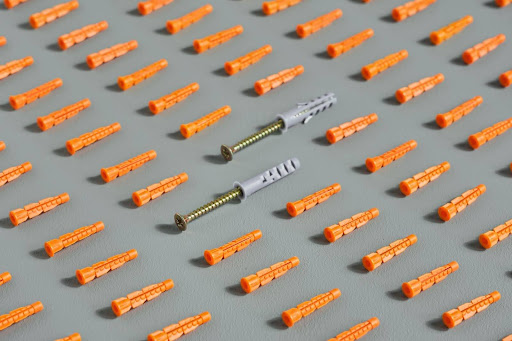
Standing Seam Rivets vs. Screws: Pros and Cons for Metal Roofing
The metal roof will be durable with the utilization of appropriate fasteners. Using screws or standing seam rivets affects how strong and neat the roof looks over time.
Understanding Standing Seam Rivets
Standing seam rivets are made to connect metal roof panels at the raised seams without making extra holes. This prevents leakages and provides a smooth and clean surface. They can fit ideally in thin metal sheets and other roof parts that are bent or inaccessible.
Why Screws Are Still Popular
Screws are general-purpose and powerful. They are cut into panels and attached firmly by means of threads and washers. Screws are simple to put on and remove or change in case of necessity. They can be used on flat panels and normal roofing sheets.
Pros and Cons: Standing Seam Rivets
Pros:
- Do not drill holes down into the metal surface; minimize leakages.
- Smooth, shaved look of the roof.
- Suits metal panels that are thin or curved.
Cons:
- Require special equipment during installation.
- Slower than screws can be installed.
- Strength is less with extremely high winds.
Pros and Cons: Screws
Pros:
- Good grip and stable in the long run.
- Easy to remove or replace
- Tracking is accessible to the majority of metal panels.
Cons:
- Drills holes in the panel that can require additional sealing.
- Not so neat as rivets upon seams that can be seen.
Choosing The Right Option
- Use standing seam rivets for thin sheets, curved panels, or visible seams.
- Install screws on flat panels, heavier metal, and those that require high grip.
- The combination of rivets and screws can also work in certain instances.
Why You Should Use MIS Tools as Your Metal Roofing Partner
MIS Tools provides high-quality screws, standing seam rivets, and all the tools needed for installation. We assist clients in selecting the correct size, coating, and type to use in different roofing projects. Our products are also durable, corrosion-resistant, and easy to use.
Final Thoughts
Both screws and standing seam rivets have their place in metal roofing. Screws are strong and versatile, while standing seam rivets give a neat, leak-free finish. At MIS Tools, you can make a selection of the fastener that will give you a professional look and durability of the roof.
FAQs
Q: What are standing seam rivets made of?
They will normally be steel or aluminium, although coated with a protective cover to avoid rust and prolong the life of the metal roofs.
Q: Can screws replace standing seam rivets?
In numerous places, one can use screws instead of rivets, but can poke holes in the panel. Rivets are more appropriate where a clean and leakproof seam is required.
Q: Do standing seam rivets leak?
No, they do not break through the metal, and the roof is closed. Proper installation is still important.
Q: In which cases and when to use screws instead of rivets?
Screws are suitable for flat heavy panels or regions that require a high pull-out resistance. Thin or curved panels are more suitable for rivets.
Q: Are standing seam rivets hard to install?
They require tools, which are special and polish rather well. Screws can be installed more easily and quickly, without the need for special tools.
Q: Which fastener fails more or less on a metal roof?
They both have a long longevity when covered and fitted correctly. Screws provide greater resistance; rivets decrease the possibility of leakage.
Q: Is it possible to have rivets and screws on the same roof?
Of course, seams can be covered with rivets so that they look smooth, and panels that require additional stability can have screws.
continue reading
Related Posts

Multigrip rivets are a simple, reliable way to join materials
Types Of Multigrip Rivets And When To Use Them The
Types of Socket Screws at MIS Tools At MIS Tools,